
In the world of plastic pipe extrusion lines, the vacuum tank plays a crucial role in ensuring the production of high-quality pipes.
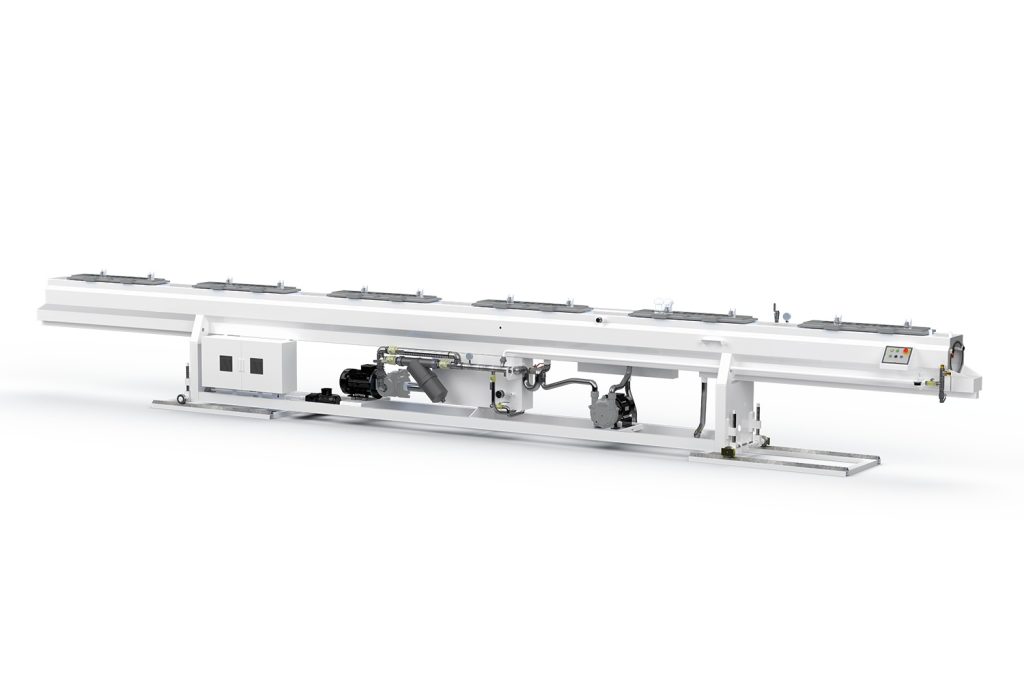
In the world of plastic pipe extrusion lines, the vacuum tank plays a crucial role in ensuring the production of high-quality pipes. This essential component aids in the shaping and cooling of plastic pipes during the extrusion process. When considering investing in pipe extrusion machinery, it is vital to pay close attention to the features and specifications of the vacuum tank. In this article, we will explore the key factors that must be taken into account when selecting a vacuum tank for your plastic pipe extrusion line. From the tank’s length and material to the pumps, controls, and design, each element plays a pivotal role in determining the overall efficiency and cost-effectiveness of the extrusion process.
The length of the vacuum tank is a critical factor that directly impacts the cooling and shaping of plastic pipes. A longer tank allows for more effective cooling, ensuring that the pipes maintain their desired shape and dimensions. Different pipe types may require specific vacuum conditions for optimal extrusion. Some vacuum tanks feature dual chambers, each equipped with separate vacuum pumps. This design allows for tailoring the vacuum level to meet the requirements of different pipe types, increasing versatility and improving the overall extrusion process.
When considering a vacuum tank for your plastic pipe extrusion line, carefully assess the length requirement based on your production needs and pipe specifications. Investing in a vacuum tank with the appropriate length can significantly enhance the quality and consistency of your pipe output.
The material used in the construction of the vacuum tank is of paramount importance. Opting for a vacuum tank made from stainless steel is highly recommended due to its durability, and resistance to corrosion. Stainless steel ensures a longer lifespan for the tank and it is a reliable choice for producing high-quality pipes consistently.
Inquire with the manufacturer regarding the type of stainless steel they use and ensure that they are indeed using the material they claim to be using. Furthermore, examine the thickness of the stainless steel plate utilized in the production of the vacuum tank and be sure that is appropriate based on the vacuum tank’s size and structure.
Be sure to carefully inspect the quality and design of the vacuum tank lids to avoid any potential leaks and corrosion. Manufacturers utilize various materials for the lids, including aluminum and tempered glass.
The quality of welds on the vacuum tank can provide valuable insights into the overall workmanship and manufacturing standards of the equipment. A well-built vacuum tank with robust welds indicates that the manufacturer prioritizes quality and precision. Carefully inspect the welds on the tank to ensure they are smooth, free from defects, and can withstand the difficulties of continuous operation.
Efficient vacuum and water pumps are crucial for the economic performance of the extrusion line. Pumps with higher efficiency and lower energy consumption will lead to significant cost savings in the long run. When selecting a vacuum tank, it is essential to carefully consider the type, capacity, and power rating (kW) of the pumps. Opting for energy-efficient pumps not only cuts down operational expenses but also promotes a more sustainable production process.
Controlling the vacuum level in the tank is a critical aspect of efficient pipe extrusion. Some vacuum tanks lack a control system for the vacuum level, leading to pumps operating at full capacity continuously. This inefficiency results in significant energy wastage and increased production costs. Choose a vacuum tank that offers effective vacuum level control mechanisms, enabling you to optimize energy usage and enhance productivity.
Ensure that the vacuum tank maintains a stable pressure throughout the manufacturing process, with no fluctuations occurring. Any variations in pressure within the vacuum tank can lead to pipe defects and halt the production line.
Efficient drives for the pumps of the vacuum tank allow for better control and adjustment of the extrusion process. Having the ability to regulate the pump’s speed ensures that the pressure inside the tank can be precisely managed. Look for vacuum tanks that offer user-friendly control interfaces to facilitate seamless adjustments and fine-tuning of the extrusion process.
Some vacuum tanks employ sensors and digital pressure gauges for automated control of the vacuum level. While this automated system can improve the efficiency and consistency of the extrusion process, it may occasionally encounter technical failures. Consider the trade-off between the benefits of automation and the potential risks associated with sensor malfunctions during production.
An effective water circulation system in the vacuum tank is essential for maintaining optimal cooling during the extrusion process. Ensure that the water pipes, connections, filters, and bypass are designed to work efficiently. Additionally, check the temperature control mechanism, which should enable timely water replacement when a set temperature is reached, maintaining consistent cooling performance.
The design of the sprinklers in the vacuum tank plays a crucial role in achieving proper water distribution for efficient cooling. Look for vacuum tanks with well-designed sprinklers that evenly spray water on the pipes. Furthermore, consider the ease of sprinkler and nozzle replacement.
The vacuum tank is a pivotal component in the plastic pipe extrusion process, influencing the quality, efficiency, and cost-effectiveness of production. When choosing a vacuum tank for your extrusion line, consider factors such as length, material, pumps, control mechanisms, and design. Striking the right balance between automation and reliability is crucial, and selecting a vacuum tank that aligns with your specific production needs will enhance the overall performance of your plastic pipe extrusion machinery. By being mindful of these important factors, you can make informed decisions and ensure a successful and smooth pipe extrusion process.
Reach out anytime — we’re ready to support your project.