
Selecting the appropriate haul-off unit is not a one-size-fits-all decision. It depends on various factors, including the type of pipe being produced, its diameter, and the speed of the production line.
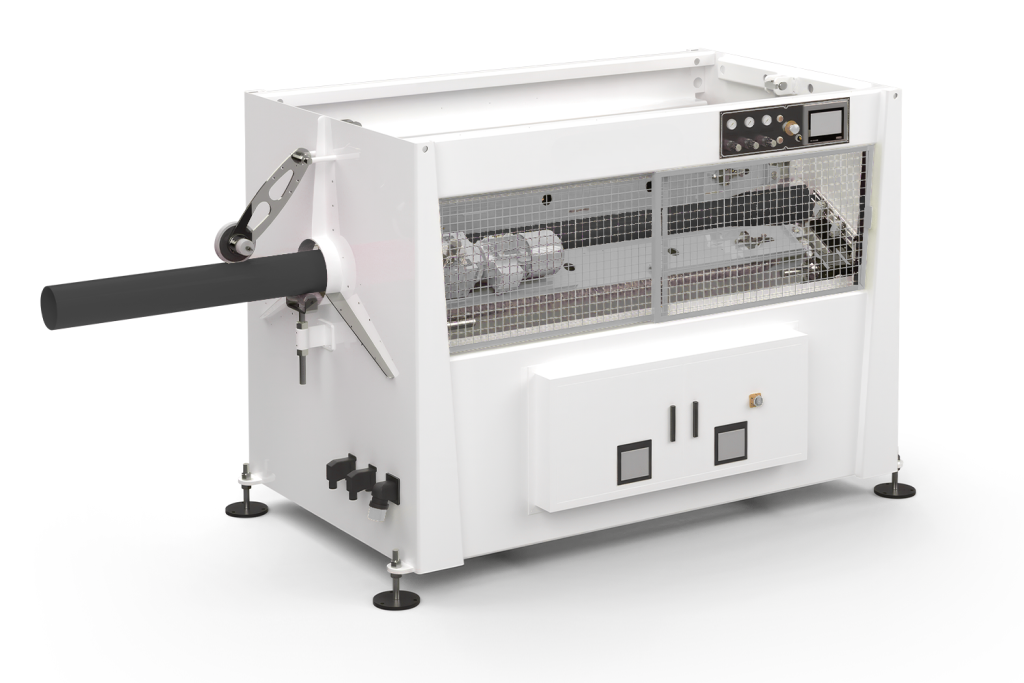
Selecting the appropriate haul-off unit is not a one-size-fits-all decision. It depends on various factors, including the type of pipe being produced, its diameter, and the speed of the production line. Take into account these specific parameters to match the haul-off unit with your production needs and achieve optimal results.
This essential machıne is responsible for pulling the extruded pipes through the production line at the desired speed. In this article, we will explore the various types of haul-offs available, the significance of active pulling lengths, and the factors to consider when selecting the appropriate haul-off unit for your plastic pipe extrusion line. Let’s delve into the details to help you make informed decisions for optimal pipe production.
Haul-offs come in different types, each designed for specific pipe diameters and production speeds. Belt haul-offs are ideal for pipes with smaller diameters ranging from 10mm to 32mm, where high-speed production is required. On the other hand, for larger diameter pipes, double caterpillar haul-offs or multiple caterpillar haul-offs are employed. It’s crucial to select the correct haul-off unit for your specific line to avoid potential problems and ensure smooth production.
The active pulling length refers to the section of the haul-off that grips and pulls the extruded pipe. The length of this gripping area directly influences the quality and stability of the extruded pipes. Longer active pulling lengths contribute to better control and consistent dimensions, resulting in reaching the maximum and constant speed. When evaluating haul-off units, pay close attention to the active pulling length and ensure it aligns with your production requirements.
In belt haul-offs, the quality of the belt is a crucial factor. A durable and well-designed belt ensures smooth gripping of the pipes and minimizes slippage during the pulling process. For caterpillar haul-offs, the quality and condition of the pallets are essential. Defective or damaged pallets can lead to uneven pulling and negatively impact in pipe quality. Regular maintenance and inspection of belts and pallets are essential to ensure consistent and reliable performance.
Efficient communication and synchronization between the haul-off unit and the extruder are essential for smooth operation. The connection type, whether 0-10 v or EUROMAP, should be compatible with your extruder’s control system. Proper synchronization guarantees precise control over the pulling speed and helps maintain uniform thickness across the extruded pipes.
To guarantee consistent pulling speeds across all pallets in caterpillar haul-offs, it is crucial to check the electrical motors used for each caterpillar and their respective drive systems. Motors with reliable performance and efficient drive systems ensure that the pulling process remains synchronized and free from variations.
Understanding the various types of haul-offs, considering active pulling lengths, and evaluating the quality of belts or pallets are essential steps to ensure smooth and efficient pipe production. Additionally, synchronization with the extruder, choosing the right haul-off based on pipe type and diameter, and assessing the motor and drive system’s quality are key factors in achieving high-quality pipes consistently. By making informed decisions and investing in a reliable haul-off unit, plastic pipe manufacturers can enhance their production processes and deliver top-notch pipes to meet the demands of various applications and industries.
Reach out anytime — we’re ready to support your project.